
Introduction
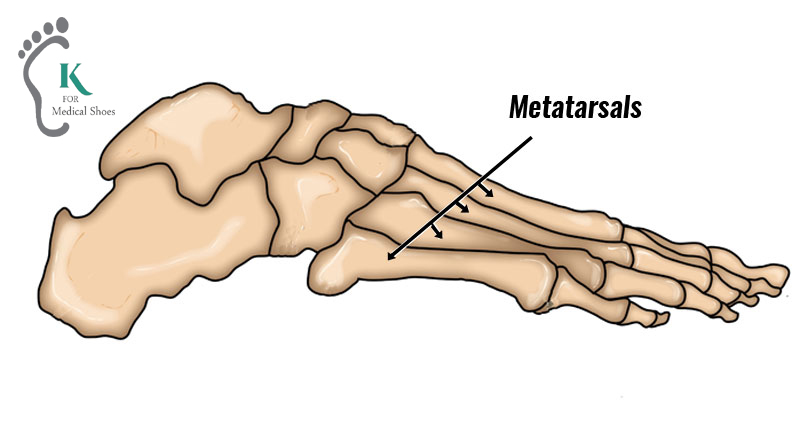
Metatarsal prolapse, also known as metatarsalgia, is a condition characterized by pain and inflammation in the ball of the foot. This discomfort is often due to the abnormal positioning or excessive pressure on the metatarsal bones, which are the long bones in the foot that connect to the toes. Metatarsal prolapse can significantly impact a person’s mobility and quality of life, making understanding its causes and treatments essential.
Causes of Metatarsal Prolapse
Biomechanical Factors:
High Arches or Flat Feet: Abnormal foot arches can alter the distribution of pressure across the foot, leading to excessive strain on the metatarsal bones.
Gait Abnormalities: Incorrect walking patterns can increase the load on the forefoot, causing metatarsal pain.
Footwear:
Inappropriate Shoes: High heels, narrow shoes, or shoes with inadequate cushioning can exacerbate pressure on the metatarsals.
Unsupportive Footwear: Lack of proper arch support and cushioning can lead to increased stress on the ball of the foot.
Physical Activity:
High-Impact Activities: Running, jumping, and other high-impact sports can increase the risk of metatarsal prolapse due to repetitive stress.
Sudden Increase in Activity: A rapid escalation in physical activity levels without proper conditioning can lead to metatarsal stress.
Medical Conditions:
Arthritis: Conditions like rheumatoid arthritis can cause inflammation and deformities in the foot, contributing to metatarsalgia.
Diabetes: Diabetic neuropathy can alter foot mechanics and increase the risk of metatarsal prolapse.
Osteoporosis: Weakened bones due to osteoporosis can make the metatarsal bones more susceptible to fractures and prolapse.
Injury and Trauma:
Stress Fractures: Repetitive stress or acute trauma can cause small fractures in the metatarsals, leading to pain and prolapse.
Direct Impact: Injuries from accidents or sports can damage the metatarsal bones and surrounding tissues.
Treatments for Metatarsal Prolapse
Conservative Treatments:
Rest: Avoiding activities that exacerbate the pain can help reduce inflammation and allow the foot to heal.
Ice Therapy: Applying ice packs to the affected area can help reduce swelling and pain.
Footwear Modifications: Switching to shoes with better arch support, cushioning, and a wider toe box can alleviate pressure on the metatarsals.
Orthopedic Shoes: Specialized orthopedic shoes designed to provide optimal support and cushioning can significantly improve symptoms by redistributing pressure away from the metatarsal bones and enhancing overall foot mechanics.
Orthotic Devices: Custom orthotics or insoles can help redistribute pressure away from the metatarsals and provide support.
Pain Relief: Nonsteroidal anti-inflammatory drugs (NSAIDs) can help manage pain and inflammation.
Physical Therapy:
Strengthening Exercises: Targeted exercises can help strengthen the muscles of the foot and improve overall foot mechanics.
Stretching Exercises: Stretching the calf muscles and Achilles tendon can help improve flexibility and reduce stress on the metatarsals.
Gait Training: A physical therapist can provide guidance on proper walking and running techniques to reduce strain on the forefoot.
Medical Interventions:
Corticosteroid Injections: Injections of corticosteroids can help reduce severe inflammation and pain in the short term.
Shockwave Therapy: Extracorporeal shockwave therapy (ESWT) can stimulate healing in chronic cases of metatarsalgia.
Surgical Treatments:
Metatarsal Osteotomy: Surgical realignment of the metatarsal bones may be necessary in severe cases to correct deformities and redistribute pressure.
Debridement: Removal of inflamed or damaged tissues can help alleviate pain and improve function.
Metatarsal Shortening: In cases of abnormal bone length, shortening the metatarsals can help reduce pressure and pain.
Conclusion
Metatarsal prolapse is a multifactorial condition that can arise from biomechanical issues, inappropriate footwear, physical activity, medical conditions, and trauma. Effective treatment typically begins with conservative measures such as rest, footwear modifications, orthopedic shoes, orthotics, and physical therapy. Orthopedic shoes, in particular, play a crucial role in correcting foot mechanics and redistributing pressure away from the metatarsals, providing significant relief. In more severe cases, medical or surgical interventions may be necessary. Early recognition and treatment of metatarsal prolapse are crucial to prevent long-term complications and improve quality of life